Brand-New
Purchase a newly completed landed home with modern layouts, builder warranties and move-in readiness. The finishes, mechanical systems and structural elements are untouched, giving you a predictable start with less immediate coordination.
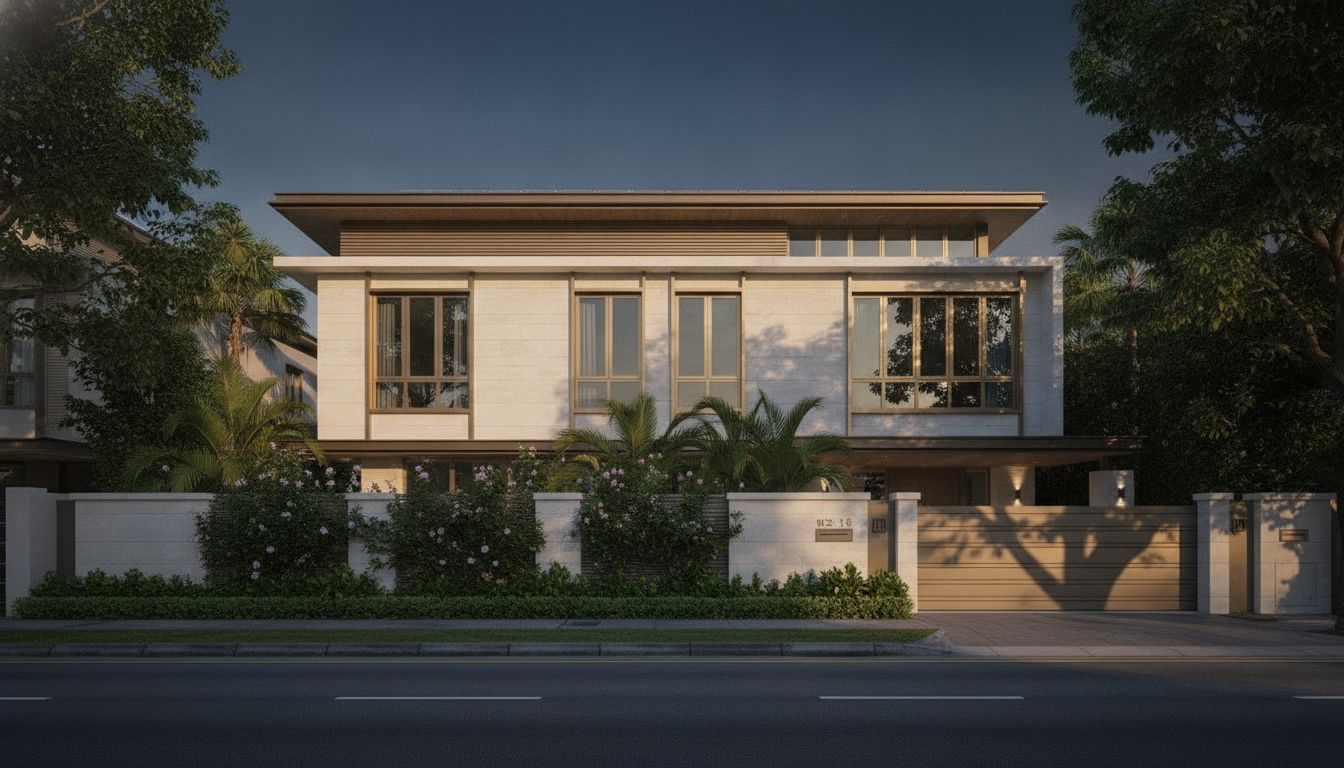
Two ways to shape a landed home that fits the way you live — from a fresh site to a complete rebuild.
Sandra Yeo guides owners in District 19 through the decision, timeline and partners involved in building a home that lasts.
Discuss your rebuild or new-build briefBoth brand-new purchases and rebuilds offer the chance to live in a home tailored to your needs. The right path depends on your appetite for customisation, your holding horizon and how you want to manage risk.
Purchase a newly completed landed home with modern layouts, builder warranties and move-in readiness. The finishes, mechanical systems and structural elements are untouched, giving you a predictable start with less immediate coordination.
Acquire an older site or rebuild an existing landed property from the ground up. This path lets you control orientation, room proportions, material palettes and sustainability features — but it also demands patience, specialist advice and disciplined cost planning.
A rebuild is a sequence of considered decisions. Understanding the sequence helps you budget realistically, choose the right consultants and avoid surprises.
Assess the plot's shape, orientation, soil conditions, existing structure and neighbouring boundaries before committing to a design direction.
Map out land cost, construction cost, professional fees, authority charges and a contingency reserve. Financing for rebuilds often differs from a standard purchase loan.
Appoint an architect, a qualified builder and specialists such as a structural engineer or quantity surveyor whose experience matches landed projects.
Prepare plans for URA and other relevant agencies. Processing durations vary by proposal complexity, so confirm current guidelines directly with URA and SLA.
Monitor piling, superstructure, M&E, waterproofing and finishing against an agreed programme. Regular site walks keep quality and budget aligned.
Conduct defect inspections, obtain relevant clearances and settle final accounts before taking possession of your rebuilt home.
A brand-new home offers convenience, but not every new build is equal. Look beyond the show condition to understand what you are truly buying.
Check whether room proportions, ceiling heights, natural light and circulation suit daily life rather than just showroom styling.
Cosmetic finishes can mask structural or waterproofing shortcuts. Review builder track record, material specifications and past project reviews where available.
Confirm whether the property is freehold, leasehold or strata-titled, and verify title details, encumbrances and boundary dimensions through SLA records.
Understand the duration and scope of the builder's defects liability coverage, plus the process for reporting and rectifying issues after handover.

Rebuilding gives you control, but it also means navigating planning rules, engineering decisions and temporary living arrangements.
Sandra helps landed homeowners and upgraders in District 19 compare their options with clarity, then stays involved as the plan takes shape.
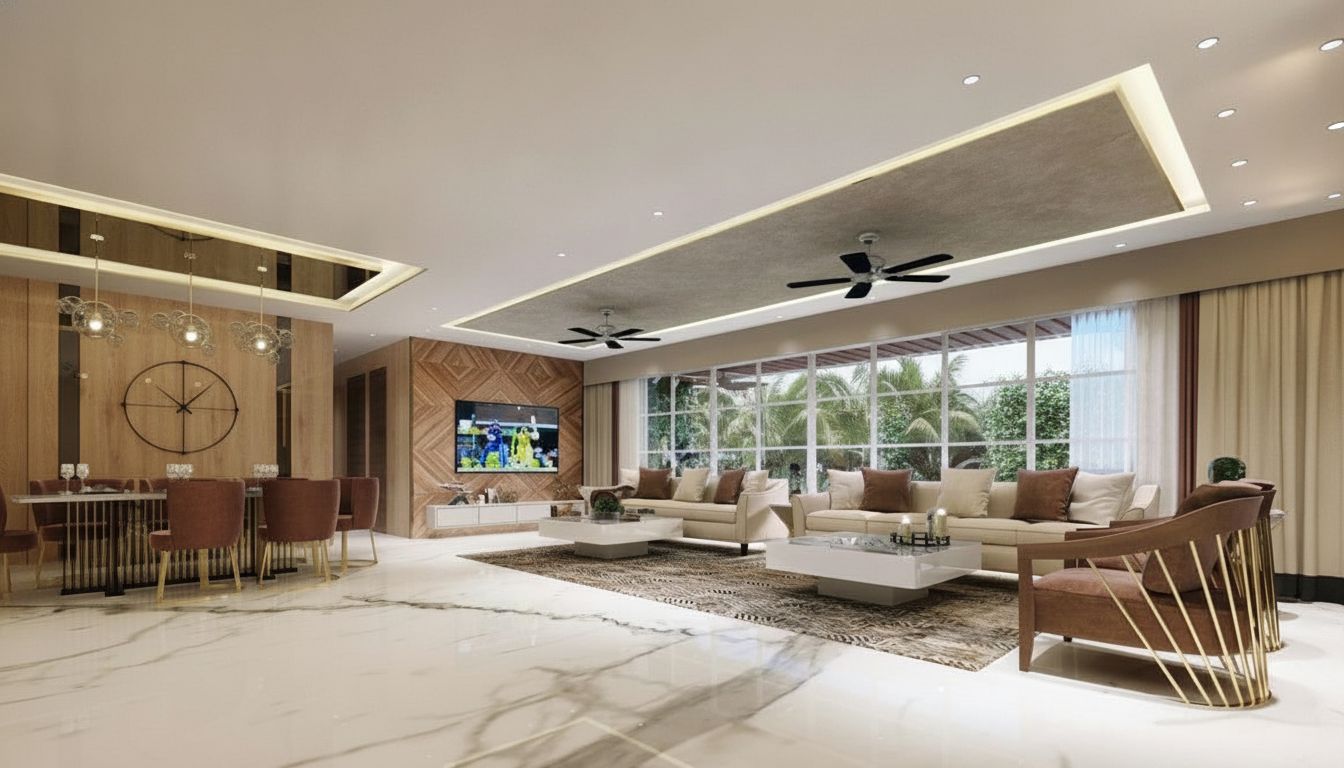
Tell Sandra what you are considering — a brand-new purchase, a rebuild or a comparison of both — and she will arrange a no-pressure conversation to help you think through the next steps.
Straightforward answers on terminology, timelines and practical decisions. For official rules, always refer to the relevant agency guidance.
Additions and Alterations (A&A) retain most of the existing structure while changing internal layouts or modest extensions. Reconstruction replaces a larger portion of the house but may keep some structural elements. A full rebuild demolishes the existing house and constructs a new one from the ground up. The classification affects which URA Development Control parameters and approval pathways apply.
A full rebuild commonly spans 18 to 30 months from planning to handover, depending on design complexity, authority approval durations and construction conditions. Official processing times vary, so confirm current URA and SLA timelines before setting expectations.
Most owners move out once demolition and construction begin for safety, noise and access reasons. Some remain during early design or approval stages, but living on site during active construction is usually impractical. Budget for temporary accommodation in your financing plan.
Yes, if the title allows and the proposal complies with URA planning controls, SLA conditions, BCA requirements and any estate or conservation guidelines. Check existing covenants, strata restrictions and financing terms before committing.
It depends on your budget, timeline, appetite for customisation and risk tolerance. Brand-new homes offer speed and warranties; rebuilds offer layout control and the chance to match a specific site. Sandra can help you compare both paths against current District 19 market conditions.